Visualizing Healthcare Textiles with 3D: Showcasing Hospital Privacy Curtains in 3ds Max + Octane
In healthcare environments, materials are judged on far more than aesthetics. Durability, cleanability, light diffusion, and privacy performance all play a critical role in product selection. Translating those qualities into compelling marketing visuals can be challenging—especially when traditional photography limits control and scalability.
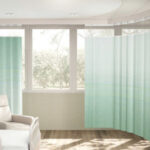
Using Autodesk 3ds Max paired with OctaneRender, it becomes possible to build highly controlled, photorealistic scenes that communicate both the technical and visual strengths of a hospital privacy curtain fabric.


Building a Purpose-Driven Scene
The goal isn’t just to render a curtain—it’s to simulate the environment where the material performs. A well-constructed hospital room scene provides context, scale, and emotional clarity.
Keep the scene minimal. The curtain material should remain the focal point, with supporting elements designed to frame—not compete with—the textile.

Using 3D tools like Autodesk 3ds Max and OctaneRender allows healthcare textiles to be presented with precision, flexibility, and visual impact.
Instead of relying solely on physical samples or staged photography, you can create controlled, repeatable environments that communicate both the functional and aesthetic qualities of hospital privacy curtain materials—ultimately helping clients make faster, more informed decisions.