Transforming Bedroom Design with 3D Visualization
The advent of 3D visualization technology has revolutionized the way we design and furnish bedrooms, offering a detailed and immersive view of layouts before any physical changes are made. This technology enables homeowners and designers to experiment with various design elements, ensuring that every piece of furniture, including the headboard, fits perfectly within the space. By leveraging 3D tools, one can create a cohesive and aesthetically pleasing bedroom environment that meets both functional and stylistic needs.
One of the most significant benefits of using 3D visualization for bedroom design is the ability to see how different headboard styles and sizes will look in the actual space. Whether opting for a grand, tufted headboard or a sleek, minimalist design, 3D rendering allows for a clear visual representation. This helps in assessing how the headboard complements other elements such as bedding, wall colors, and lighting fixtures. It also aids in ensuring the headboard is proportionate to the room and doesn’t overpower or underwhelm the space.


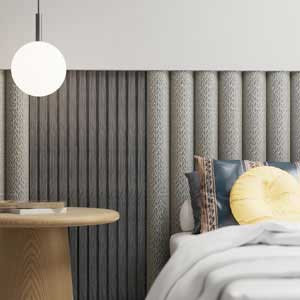
The advantages of 3D bedroom renderings are abundant, with enhanced visual clarity being one of the most notable. Traditional flat blueprints may leave clients struggling to envision the final look and feel of their bedroom. However, with a 3D rendering, you can walk through the space virtually, exploring different angles and perspectives, ensuring every aspect is perfectly aligned with your vision.
In addition to headboards, 3D visualization excels in planning the placement of other bedroom furniture. From dressers and nightstands to wardrobes and seating areas, 3D tools allow for precise positioning, helping to avoid clutter and optimize space usage. Users can experiment with different configurations, easily moving pieces around in the virtual model to find the most functional and visually appealing layout. This process helps in identifying potential issues with traffic flow and accessibility, ensuring a comfortable and practical bedroom setup.
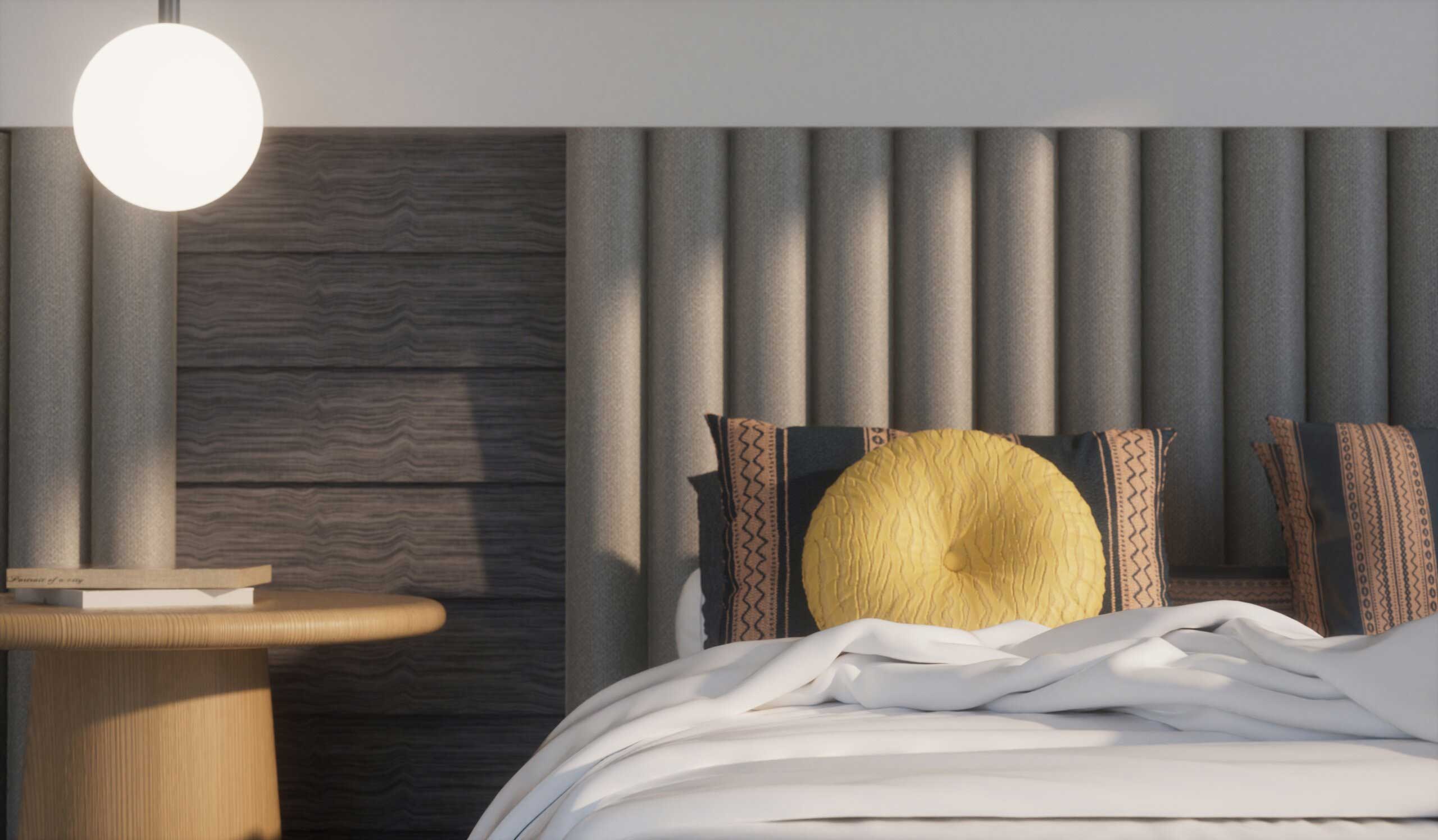
Furthermore, 3D visualization offers a realistic preview of how different textures, colors, and materials will look together in the bedroom. This can be particularly useful for coordinating various elements such as curtains, rugs, and decorative accessories with the main furniture pieces. By seeing the complete picture in a 3D model, homeowners can make informed decisions that enhance the overall harmony and balance of the room’s design. Ultimately, 3D visualization not only simplifies the design process but also brings a higher level of precision and creativity, making the dream bedroom a reality before any physical changes are made.