How 3D Artists Can Save Your Company Money by Visualizing Textiles on 3D Models
In today’s fast-paced market, staying competitive often means finding innovative ways to cut costs without sacrificing quality. One area where this balance is particularly crucial is in the home furnishings and textiles industry. Whether you’re a furniture manufacturer, interior designer, or fabric supplier, the ability to showcase textiles effectively can significantly impact your sales and bottom line. This is where the expertise of a 3D artist becomes invaluable.
The Traditional Approach: Physical Prototyping
- Material Costs: Using real fabric to create prototypes means purchasing enough material to cover multiple pieces of furniture, leading to high expenses, especially with premium textiles.
- Manufacturing Costs: The process of upholstering furniture is labor-intensive and requires skilled workers. Each prototype requires significant time and effort, increasing labor costs.
- Logistics Costs: Once the prototype is created, it needs to be transported to photoshoot locations, trade shows, or showrooms, adding transportation and handling expenses.
- Time Constraints: Physical prototyping is time-consuming. Each iteration, from receiving the fabric to completing the upholstery, can take weeks, delaying product launches and slowing down the sales cycle.
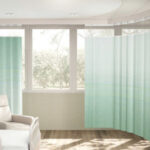
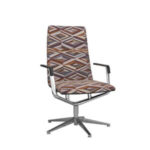
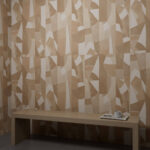
Enter the 3D artist. By leveraging advanced 3D modeling and rendering techniques, a 3D artist can create highly realistic visualizations of textiles on furniture, eliminating the need for physical prototypes. Here’s how this approach can save your company money:
- Reduced Material Costs: Instead of purchasing and using large quantities of fabric, a digital approach only requires a digital sample of the textile. This drastically reduces material costs, especially for high-end fabrics.
- Eliminated Manufacturing Costs: With 3D modeling, there’s no need to physically upholster a piece of furniture. This not only saves on labor costs but also frees up your skilled workers for other essential tasks.
- Minimized Logistics Costs: Digital models can be easily shared and showcased online, in digital catalogs, or at virtual trade shows. This reduces or eliminates the need for physical transportation and handling.
- Accelerated Time-to-Market: 3D visualizations can be created much faster than physical prototypes. This allows for quicker iterations, enabling you to respond to market trends and customer feedback more swiftly, ultimately speeding up your product launches.


Beyond Cost Savings: Additional Benefits
The benefits of using 3D modeling for textile visualization extend beyond just cost savings:
- Enhanced Flexibility: With 3D models, you can easily experiment with different fabric patterns, colors, and textures without committing to a physical prototype. This flexibility allows for greater creativity and innovation.
- High-Quality Visuals: Modern 3D rendering software can produce images that are nearly indistinguishable from real photographs. This means you can present your textiles in the best possible light, enhancing your marketing materials.
- Scalability: Once a 3D model is created, it can be reused and adapted for different projects, providing a scalable solution for your textile visualization needs.
- Sustainability: Reducing the need for physical prototypes and minimizing waste contributes to more sustainable business practices, which can be a selling point for environmentally conscious consumers.

Incorporating 3D artists into your textile visualization process is a smart investment that can yield significant cost savings and operational efficiencies. By transitioning from traditional physical prototyping to digital 3D modeling, your company can not only reduce expenses but also enhance flexibility, speed up time-to-market, and improve the quality of your marketing materials. Embracing this innovative approach is a step forward in staying competitive in the ever-evolving home furnishings and textiles industry.